Food & drinkBrazil
 Brazil
Gourmet dessert popsicles made at home and sold in Recife
She started with 15 popsicles and a blender; nine years later the business turns over R$ 1.4 million a year.
$150–800Medium6 steps
How to startShe started with 15 popsicles and a blender; nine years later the business turns over R$ 1.4 million a year.
People will pay to hang a drawing of the home they love, and you only need a pen and a photo.
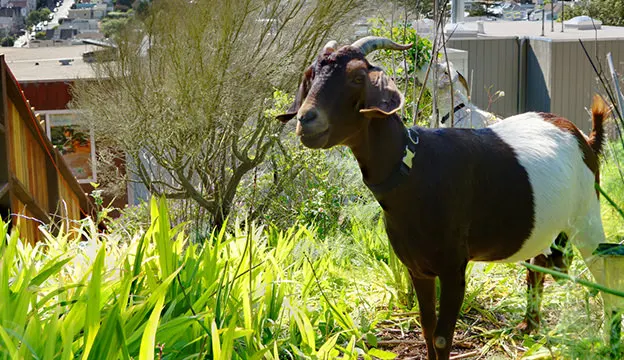
Goats that clear brush and vines for paying landowners, with no herbicide and no heavy machinery.
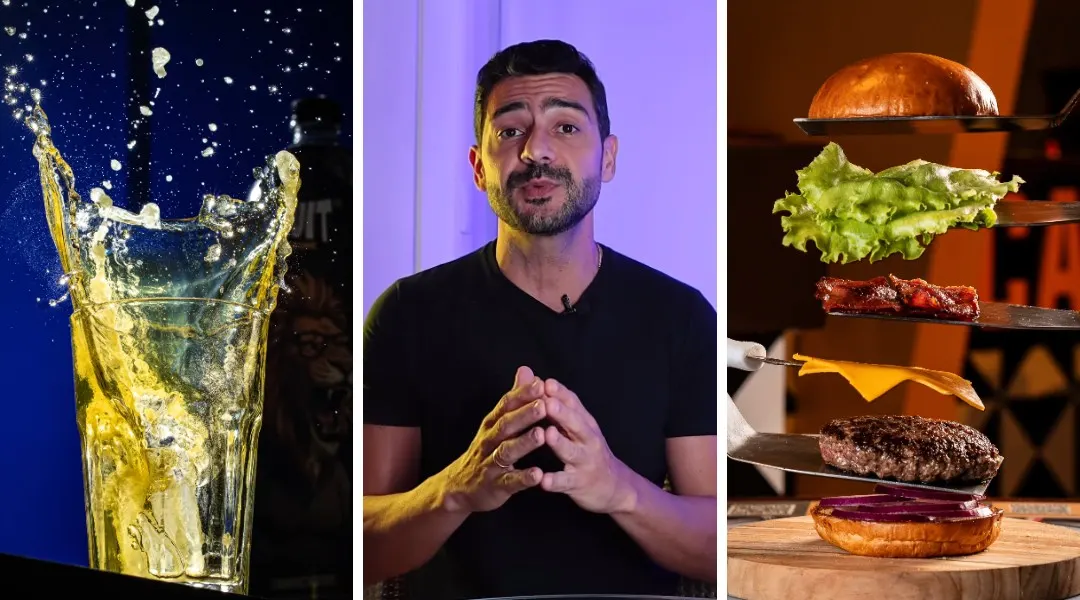
A phone, a small light kit and a sharp eye can turn a restaurant's menu into scroll-stopping content.
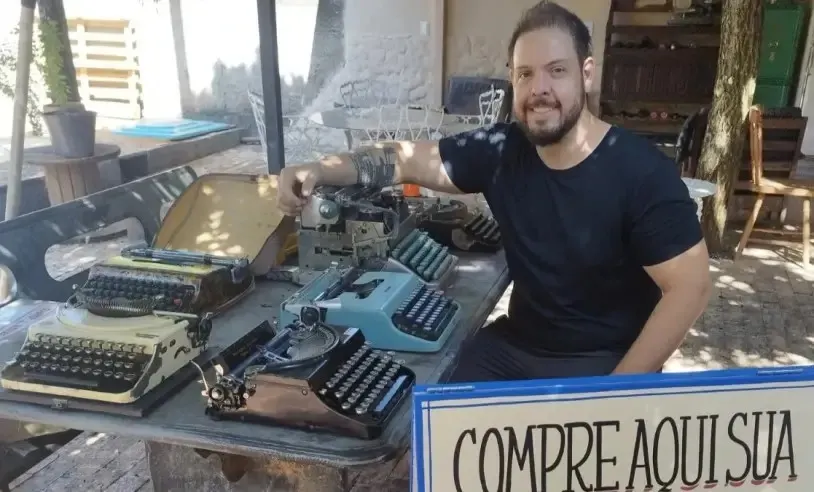
People tired of screens will pay for a machine that does one thing: let them write.
Riders throw away cracked helmets; a small Jakarta stall restores them from about $0.30 a job.
A fresh coconut as the bowl turns a simple scoop into a dessert people queue and post for.
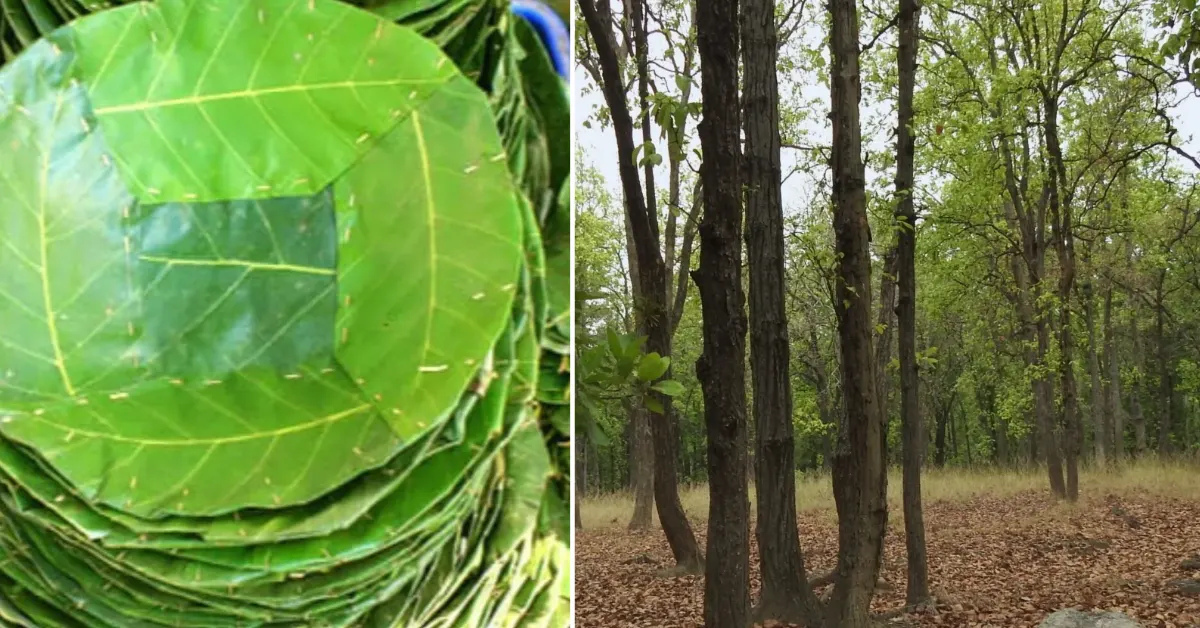
Fallen forest leaves, a bamboo splinter and a skilled hand become plastic-free plates that caterers buy by the hundred.
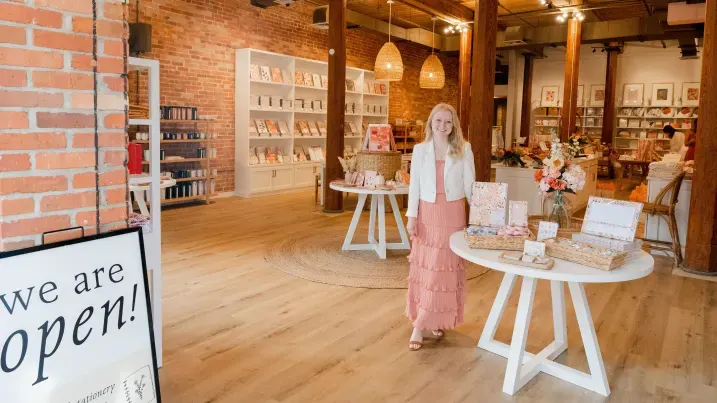
Small drawings on paper helped one young artist clear a huge student loan.
Couples want their dog at the altar, but someone must keep it calm, clean and on cue.
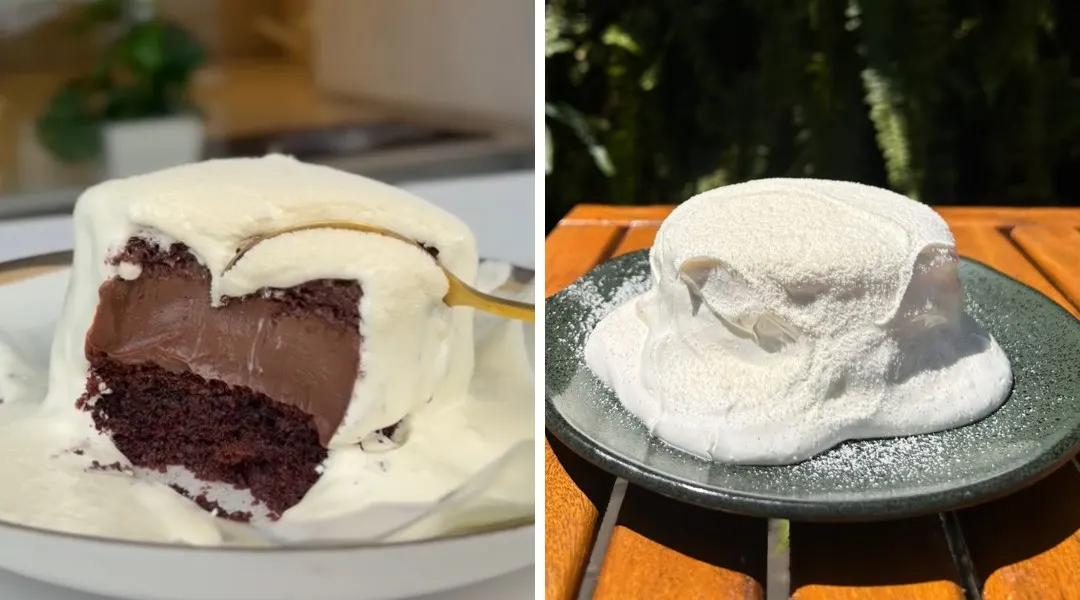
A fluffy white powdered-milk cream turned plain sponge cake into a viral dessert.
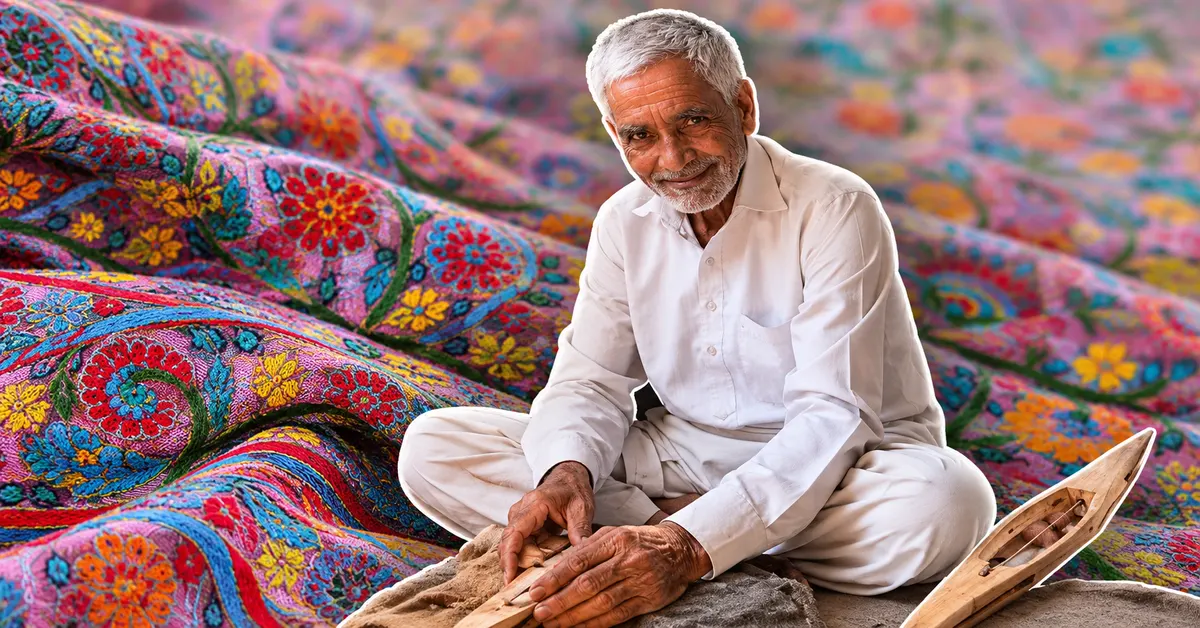
One tiny carved shuttle sits at the heart of every handwoven Pashmina shawl, and almost nobody still makes it.
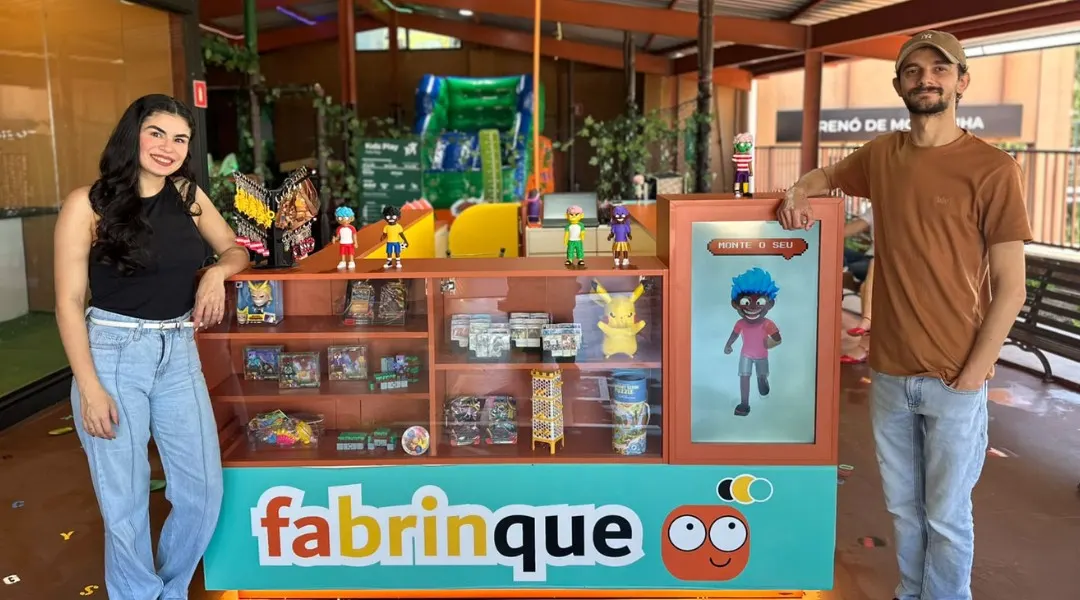
Customers pick heads, hair and outfits from wall niches and walk away with a figurine that looks like them.
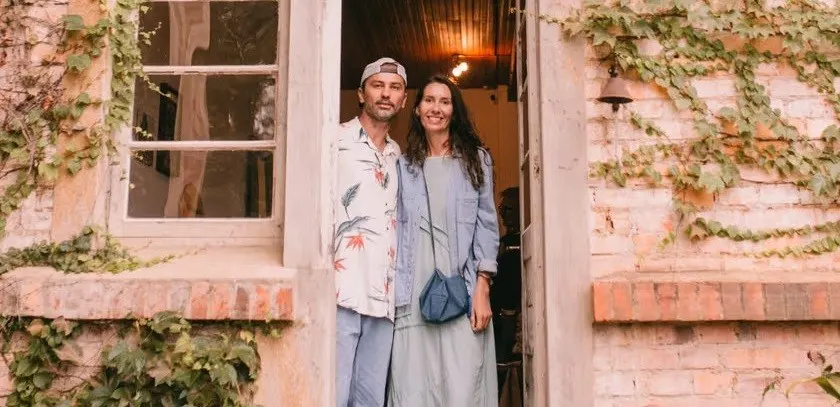
Jeans factories throw away tonnes of scraps. A couple in Santa Catarina turned them into bags people queue to buy.
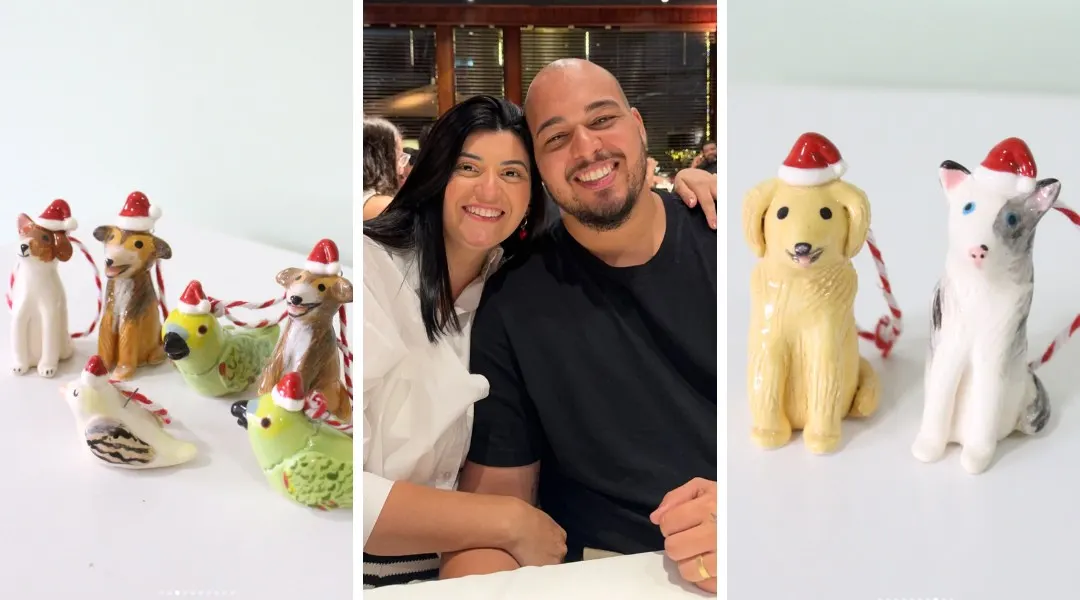
Customers send a photo, and their dog or cat becomes a hand-sculpted tree decoration.
Turn a famous city into a puzzle people hang on the wall and gift to friends.
Indoor tomatoes need a shake to set fruit, and some growers will pay someone else to do it.
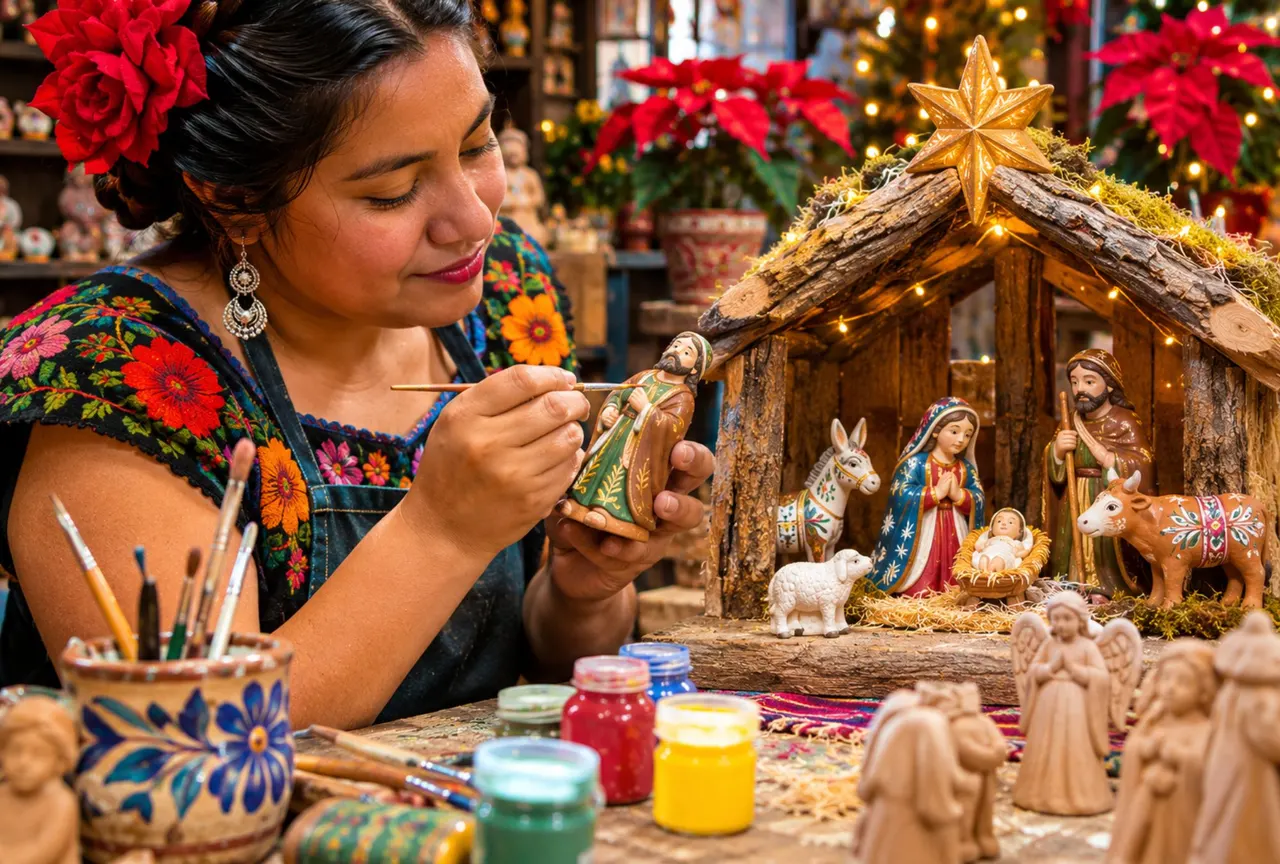
A centuries-old Christmas tradition that families still pay to put on their table, made with wood, clay or card.
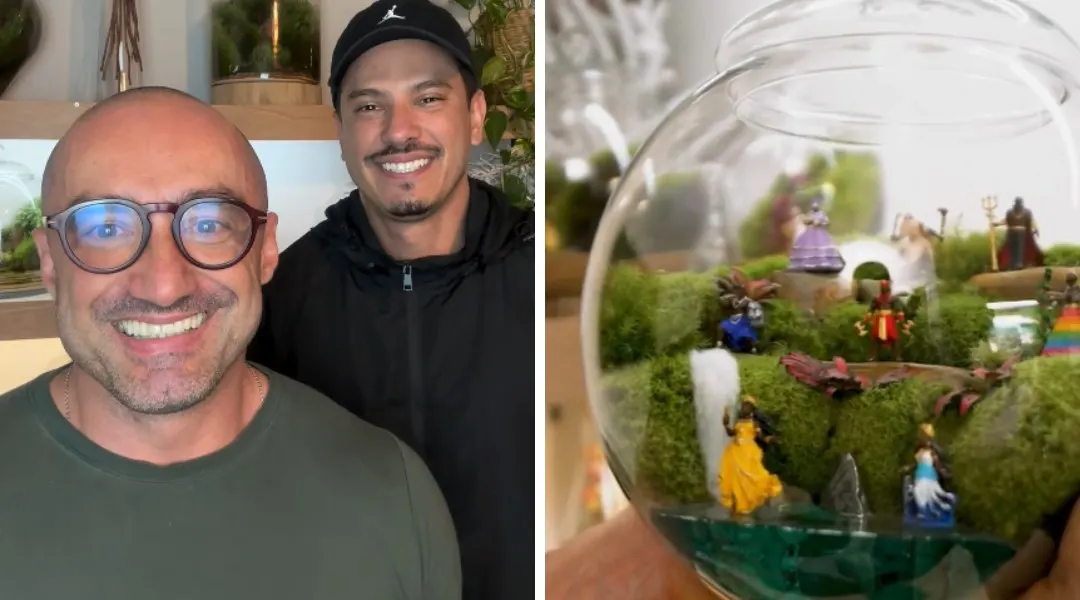
A couple turned a tiny "planet in a glass" into a brand by adding Afro-Brazilian axé themes.
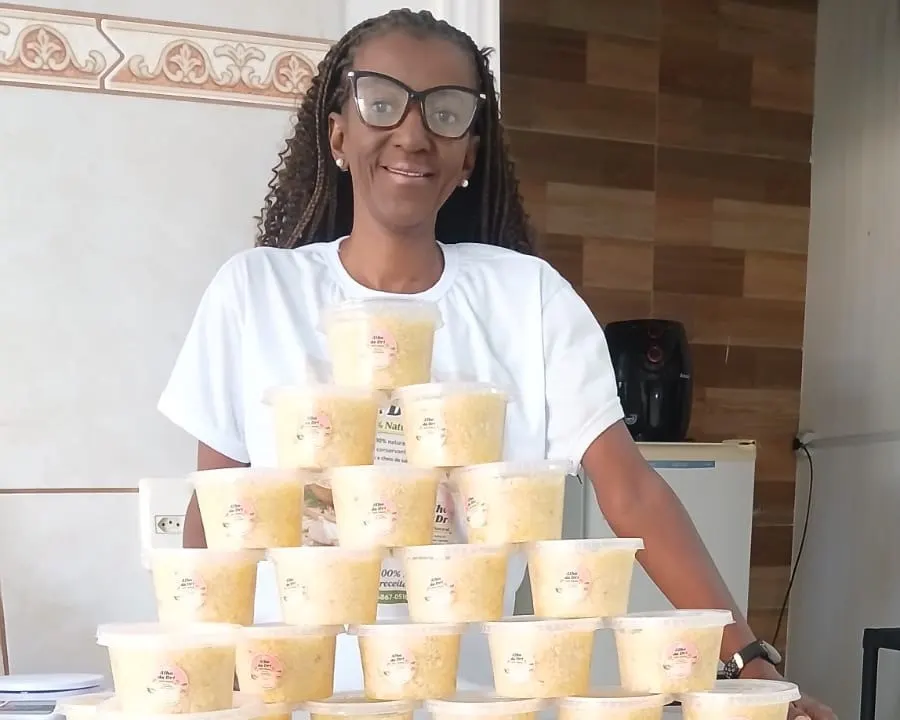
She swapped manicures for peeled, chopped garlic and now buys up to 90 kg of raw garlic a week.
Every passenger gives you a few minutes of conversation. One author turned them into book sales.
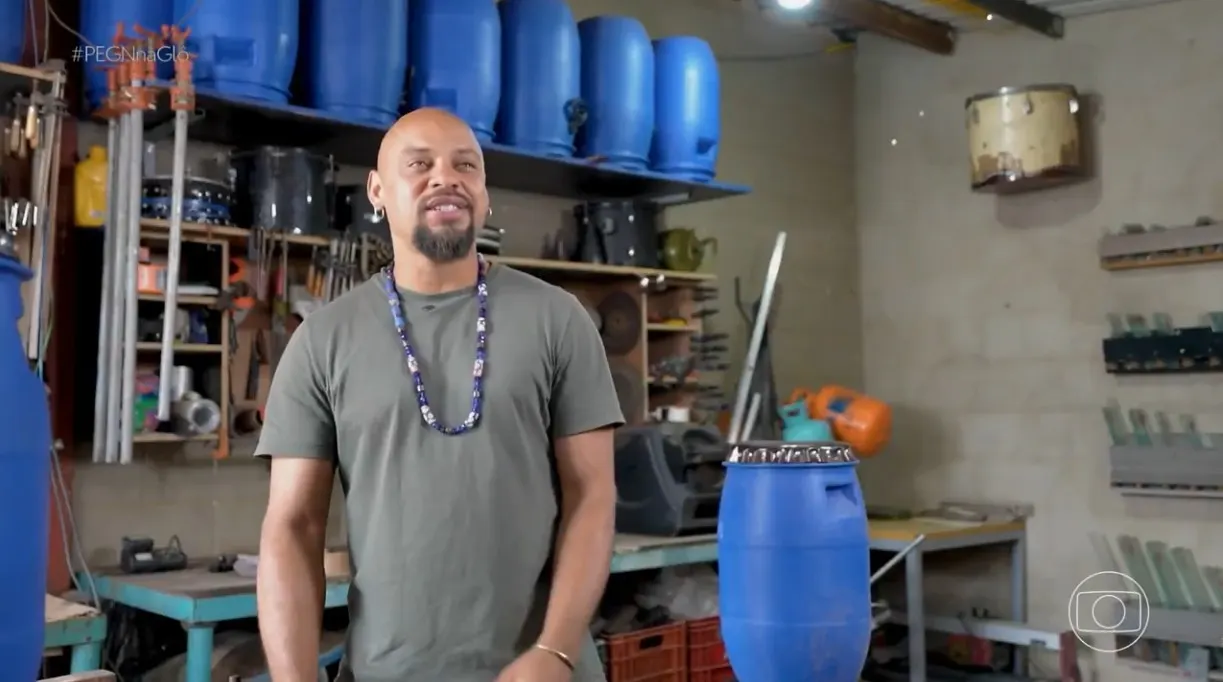
A music student with no budget turned plastic drums and bottle skins into a business earning about R$ 20,000 a month.
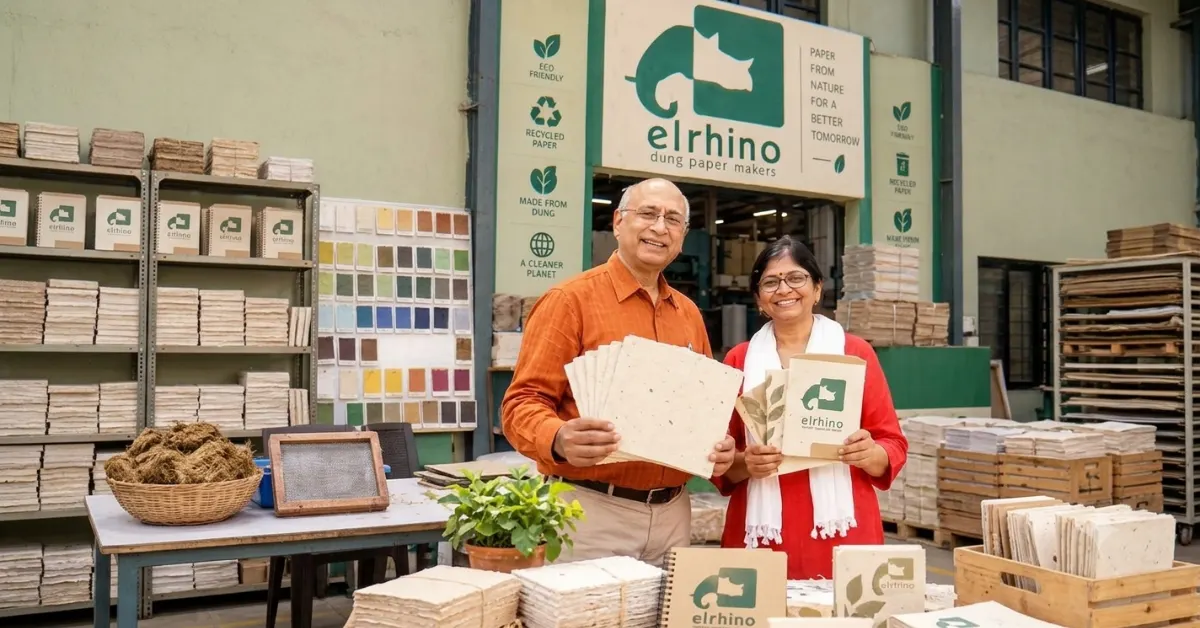
A kitchen blender, window screens and wildlife dung can become a notebook that tourists happily pay extra for.
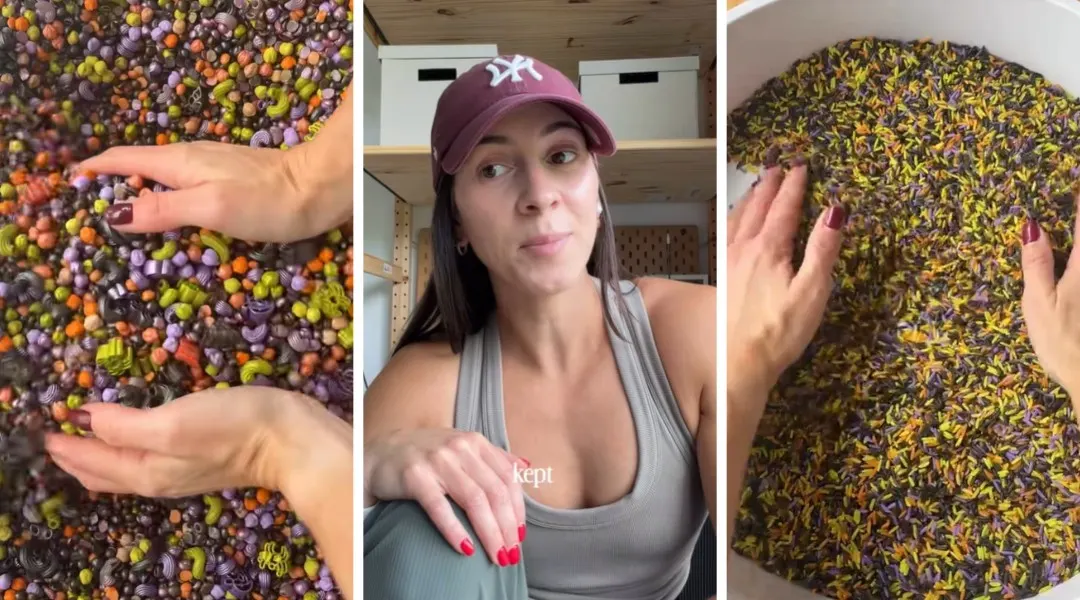
A bag of pantry rice and food colouring bought one mother an hour of peace, then a paying online shop.
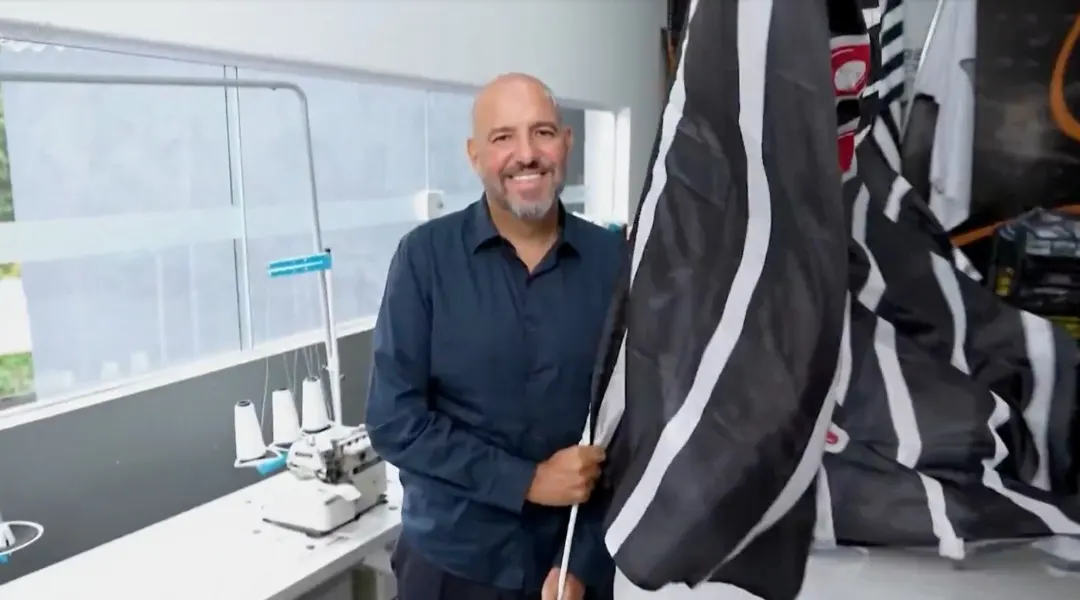
Supporter groups pay for huge banners that must unfurl the right way up in a packed stand.
 Australia
 United States
 Indonesia

 India
 Thailand

 Mexico